
.jpeg)

Ramasesha Sastri
Updated: Jun 14

Asthan Mahavidwan Motaganahalli Ramasesha Sastri was born on September 24, 1867, in Motaganahalli village, Magadi Taluk (rural Bangalore), to parents Samba Sastri and Bhagyamma. The family belonged to the Mulukanadu sect of Brahmins, hailing originally from the Indian state of Andhra Pradesh. They were part of the erstwhile Vellala clan and belonged to the ‘Bharadwaja’ lineage. Ramasesha Sastri was a descendant of the renowned author Abhinava Kalidasa, who authored such works as ‘Sarasa Kulananda Bhana’, ‘Bhagavata Champu’ and ‘Neelakanta Vyakhyana’. Asthan Vidwan Mahadeva Sastri, who was a well-respected poet and scholar during the reign of HH Mummadi Krishna Raja Wodeyar, was Ramasesha Sastri’s elder brother. Among the five siblings, Vidwan Mahadeva Sastri was the second, Vidwan Shankara Sastri the third, and Vidwan Ramasesha Sastri the fourth son of their parents. Vidwan Shankara Sastri was famous for his plays like ‘Harishchandra’, ‘Indrasabha’ and ‘Pandava Jaya’.
Ramasesha Sastri's Early Years
Ramasesha Sastri lost his mother at a young age. His father suffered much due to poor health. As a result, the family was in financial straits, and this prevented the parents from giving a full-fledged education. A local scholar by the name of Asthan Vidwan Ramadasa Sastri lamented that it was indeed a sad thing that, having been born into such a scholarly lineage, Ramasesha Sastri was hitherto denied a formal education! This remark enraged the young boy and prompted him to go to Magadi town in search of teachers who could teach him the various Shastras. Ramasesha Sastri’s search was not in vain, and he soon learnt many of the seminal texts by heart in a short span of time. By the time he was 20 years of age, Ramasesha Sastri made his way to Bangalore and formally learnt Tarka (logic), Vyakarana (Grammar), and Sanskrit literature from such distinguished teachers as Pandit Vasudeva Sastri, Pandit Sitaram Sastri, Pandit Sondekoppa Narayana Sastri, Pandit Gangadhar Sastri and Pandit Chappala Visveshwara Sastri.
Ramasesha Sastri, along with his elder brother Vidwan Shankara Sastri, would recite and narrate various Puranas to enthralled audiences in various assemblies. Across twelve years, without interruption, the two brothers successfully held court, where they elucidated all of the eighteen parvas of ‘The Mahabharata’ at venues like the old Sringeri Math in Sultanpet, Bangalore and later at the Kalikamba temple in Nagarathpet, Bangalore. Ramasesha Sastri’s mellifluous voice and his brother Shankara Sastri’s lively style of commentary made their sessions truly memorable for many listeners.
Parama Guru
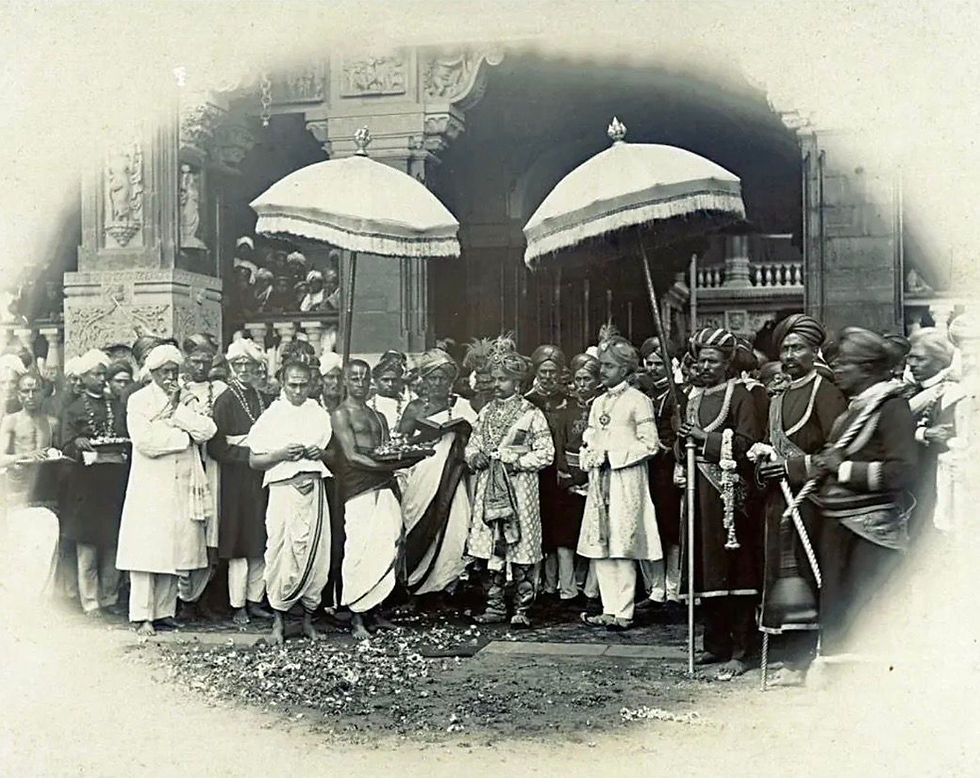
Ramasesha Sastri initially taught at the local boys’ school and then later at the girls’ school for a few years. Following this, he worked for a while at the Karnataka Sahitya Parishat office in Bangalore. He was later invited to teach Sanskrit and Kannada languages at the United Theological College, Bangalore. Around this time, he also taught at the Normal School, Bangalore. During this period, he was conferred with the title of Asthan Vidwan by the visiting Maharaja in June 1918. In July 1919, he was appointed as a faculty member in the Sanskrit & Kannada departments at Maharani College, Mysore. In 1920, the Maharaja honoured Pandit Ramasesha Sastri with the Mahavidwan title, in recognition of his erudition & scholarship, during the Navaratri celebrations. Ramasesha Sastri taught for seven years at Maharani College, Mysore and retired in September 1926.

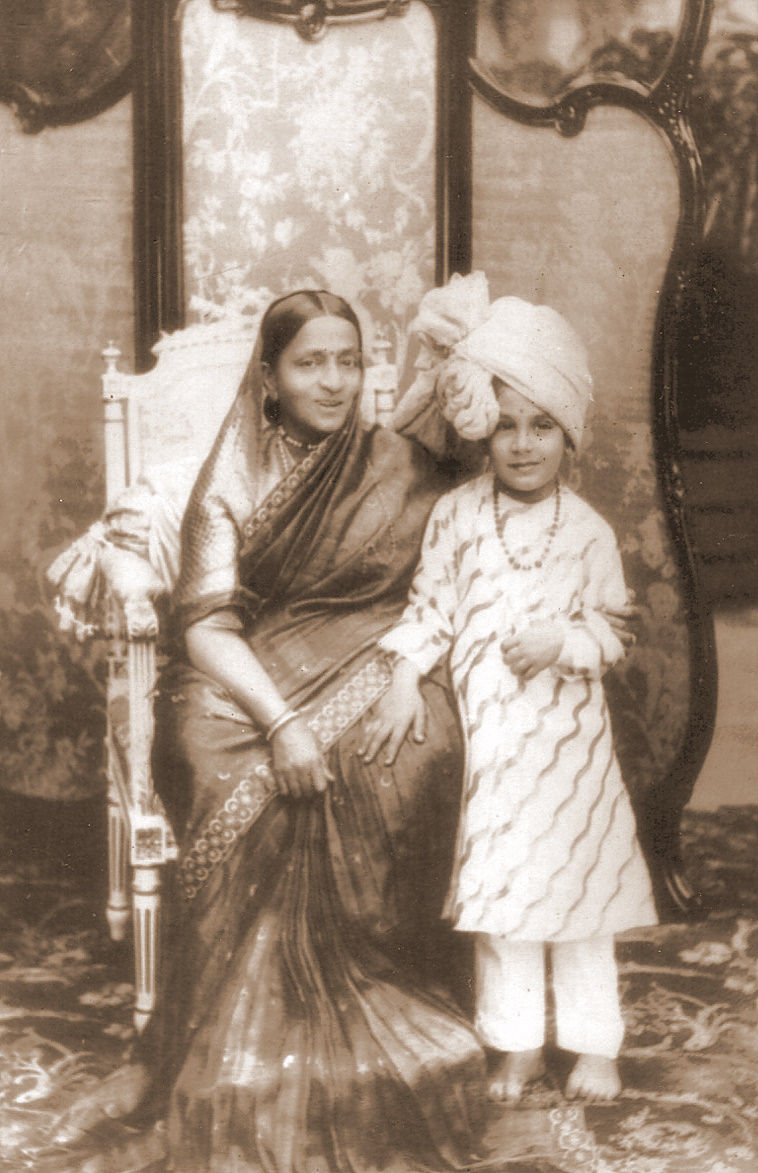
Following his retirement, he was requested to give the young Prince Jayachamarajendra Wodeyar private tuitions in Sanskrit and Kannada in the Palace. He also performed the ‘Akshara Abhyasa’ (Hindu initiation ceremony before receiving formal education) for the young Prince. By now, Ramasesha Sastri’s reputation as a prolific commentator of Puranas had garnered him much fame. Queen Mother and Regent Kempananjammanni Devi requested Ramasesha Sastri to narrate to them many of the passages and chapters from ‘Devi Bhagavata’ and ‘Skanda Purana’. Pandita Ramasesha Sastri happily obliged the Queen Mother’s instruction and called upon them in this regard from 1918 till 1929, for eleven long years! The Queen Mother expressed her heartfelt satisfaction and joy on more than one occasion in this regard.
Scholarly Works

Ramasesha Sastri authored a book containing rhymes which could be sung by girls, titled ‘Baalikageethavali’. He also authored many Kannada plays for stage adaptation, like ‘Prabhoda Chandrodaya’ and ‘Vamana Vijaya’. He translated the first section of the Sanskrit work ‘Hitopadesham’ titled ‘Mitralabha’ into Kannada. Subsequently, Ramasesha Sastri translated Vishakadatta’s ‘Mudrarakshasa’ into Kannada. He then published ‘Sri Bhagavata’ with a critical analysis and commentary. His Sanskrit work ‘Jagadguru Vijaya’ chronicles the traditions and lineage of the Sringeri saints across centuries. Ramasesha Sastri also composed many verses dedicated to the Mysore Maharaja, Sringeri pontiffs and even the reigning British Viceroys in Delhi, both in Sanskrit and Kannada! He later translated into Kannada the Sanskrit play ‘Mukundananda Bhana’. He published a book titled ‘Vicharasagara’ in the 1930s. Ramasesha Sastri is best remembered for his serialised version of the ‘Bhagavata Mahapurana’, which he brought forth in monthly instalments from 1911 till 1932, replete with word-by-word translations, summaries, and cross-references!
Recognition By The Royal Court & Other Honours

In recognition of his vast scholarship, the Shivaganga seer appointed him as Chief Editor of their monthly magazine ‘Shri Sarada’ in 1915. Sadly, the seer passed away soon after this magazine was started, and its serialisation was stopped due to various reasons. In early 1924, the Mysore Palace arranged an extempore poetry event, where leading pundits of the day composed poetic verses on the spur of the moment! Ramasesha Sastri was adjudged the best ‘Ashukavi’ and received many accolades. Later in the year, in December 1924, Ramasesha Sastri attended the 39th session of the Indian National Congress (INC) at Belgaum, where he met many national dignitaries and freedom fighters. This was

the only session to be officially chaired by Mahatma Gandhi. Despite poor health and less than comfortable circumstances in family life, Ramasesha Sastri toured many parts of India in 1929. He received substantial recognition for his erudition from many quarters, such as the Maharaja of Mysore, the Queen Mother Vani Villas Sannidhana, Sri Nrusimha Bharathi Mahaswamiji, Sri Chandrashekhara Bharathi Mahaswamiji, Sri Shivaganga Swamiji, Sri Kanchi Kamakoti Swamiji and the Kudli Math Swamiji.
Legacy

Asthan Mahavidwan Ramasesha Sastri passed away on 19 February 1934, at the age of 67 years. He left behind an intellectual vacuum in the world of scholars. Even to this day, his translation of ‘Bhagavata Mahapurana’ in eight volumes remains a definitive piece.
(This is an English translation of the original Kannada biographical piece, authored by Dr S. Srikanta Sastri in 1934. The Kannada original was published in ‘Parishat Patrike’, as an obituary notice, in the July 1934 issue.)
Copyright Information:
This article and all of it's constituent contents are placed under Creative Commons Waiver (CC0)


