


Chaduranga
Updated: Aug 30

M. Subramanya Raj Urs (pen name: Chaduranga) was born in Kallahalli village in Hunsur Taluk of Karnataka on 1 January 1916, to parents Mudduraj Urs and Marudevammani. The couple had thirteen children, out of which only four survived. Subramanya was the youngest of them! Mudduraj Urs was a descendant of the Gangas of Talakad, and his mother, Marudevammani, was a descendant of the famous King and poet Mangarasa.
Ancestry

The great-grandfather of Subramanya Raj Urs, Basavaraj Urs, was proficient at Chess and used to play it regularly at the Mysore Palace with HH Mummadi Krishna Raja Wodeyar. In fact, this was one of the reasons why the family came to be later known as the Chaduranga household. Basavaraj Urs would always take care to lose the game to the Maharaja, in an attempt to never appear disrespectful. Once, he got distracted by some thoughts and ended up defeating the Maharaja. The King got infuriated and threw some of the chess pawns at Basavaraj Urs, leaving a scar on the latter’s forehead! He was furthermore asked to leave the palace at once. Basavaraj Urs was heartbroken and made his way to a nearby lake, where he sat with tears in his eyes. A close relative requested Basavaraj Urs to come to Kallahalli village to teach Sanskrit. Basavaraj Urs was well-versed in many Sanskrit texts and agreed to teach young students at Kallahalli. Hence, the family moved from Mysore to Kallahalli.
Basavaraj Urs’s son was Chaduranga Anantha Raj Urs (also known for his sharp acumen in the game of Chess), and Anantha Raj Urs’s son was Mudduraj Urs. Mudduraj Urs had four children – K. Basavaraj Urs, Gowrammanni, Kempammanni and Subramanya Raj Urs (Chaduranga).
Among the earliest ancestors of Subramanya Raj Urs to settle down at Kallahalli village was his grandfather Anantaraj Urs, who built a large house with a traditional, centrally located twelve-pillared courtyard at Kallahalli. He was also the village chieftain and would routinely host dinner for many people at his large house. Even today, there is a Chandranatha Basadi (Jaina temple) in Kallahalli village. Kallahalli is also the birthplace of former Chief Minister of Karnataka, Devaraj Urs, who happens to be related to Chaduranga as well.
Early Years

Subramanya Raj Urs had his basic schooling at kūli maṭa. His primary schooling took place at The Royal School, Mysore, where Prince Jayachamarajendra Wodeyar was his classmate. The two were very close friends, and their affectionate relationship would stand the test of time. Chaduranga called the Prince ‘Jaya’, and he in turn called Chaduranga ‘Subramanya’. Thirty-six years later, when the two met at the annual Khedda operations, HH Jayachamarajendra Wodeyar’s love and affection towards his childhood friend had not diminished even a little, and he fondly addressed him by his first name, Subramanya!
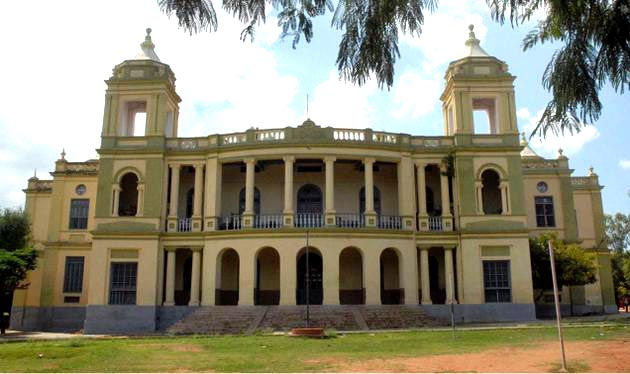
Young Chaduranga found The Royal School quite suffocating, and hence requested to be transferred to the Maharaja High School. He secured seventh rank in his lower secondary school exam. Some of his favourite teachers included Nanjanagudu Srikanta Sastri and Bala Saraswati. Upon completing his tenth standard, he joined the Bangalore Intermediate College with the idea of gaining admission into Medicine.
He actively took part in the Indian Independence movement, which was by then gaining momentum. He was also hurt in the leg when the police fired rounds to disperse assembling masses at Bannappa Park, Bangalore. Chaduranga’s health did not fare well in Bangalore, and he eventually relocated back to Mysore, where he completed his Intermediate qualification. He joined Maharaja College, Mysore, for his B. A. degree in 1941. He was a classmate of Gopalakrishna Adiga during these years. During his B. A., he came under the influence of Prof. M. Hiriyanna, A. R. Krishna Shastry, T. N. Srikantaiah and D. L. Narasimhachar. Chaduranga was active in ‘Maharaja College Students’ Union’ activities.
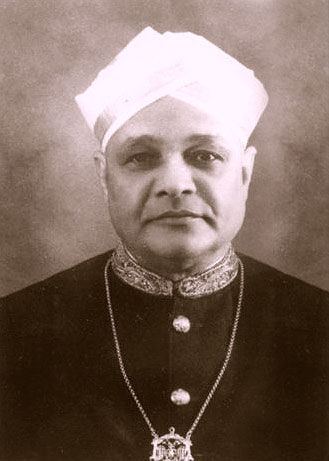
During this period, he began experimenting with poetry & short stories and his first story titled “Hucchu Yaarige” got published in 1944 in ‘Chaya’ magazine. This caught B. M. Srikantaiah’s attention, and he encouraged the young boy to continue writing more prose than poetry, as he felt that his strength lay in the way he structured and narrated simple everyday stories. Interestingly, this was also the period when Chaduranga began to read socialist literature and came under the influence of M. N. Roy. Subramanya Raj Urs was also the secretary of the ‘Mysore Student Union’ of Maharaja College. Upon completing his B. A. from the Maharaja College, Mysore, he went to Pune to pursue M. A. and Law degrees.
While at Pune, he met illustrious cinema producers like Shantharam in the film industry. He also made an acquaintance with K. A. Abbas, who was by then a reputed English writer. Chaduranga’s academic career was sadly cut short due to unforeseen circumstances, and he came back to Mysore.
Works
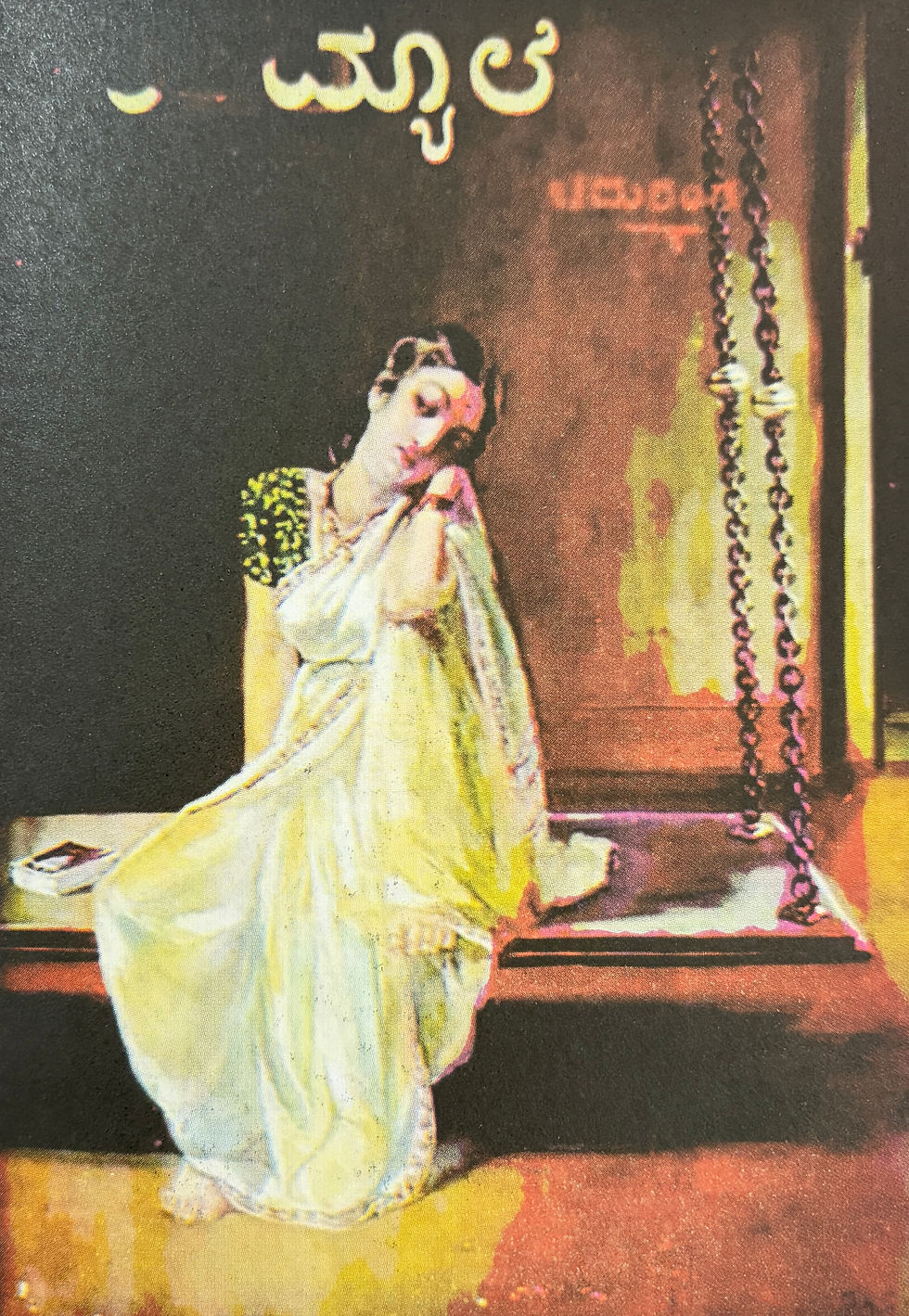
As a child, Chaduranga grew up listening to his mother’s stories and songs. His younger years at Kallahalli shaped his outlook on life. He authored nearly sixty short stories between 1944 and 1998. He also wrote four novels in as many decades, focusing more on delivering a potent social message in each of them, rather than just writing them for the sake of it. The modern progressive school of writers claimed Chaduranga as one of their own; He was probably more a bridge between the Navodaya movement and the Progressive Leftist school of writing that succeeded it. He drew inspiration from both worlds and brought to bear his own perspective on the social challenges that afflicted one and all. About his style of writing, he has remarked in one interview that he would like to be remembered more in the mould of Maasti Venkatesh Iyengar than anyone else. Chaduranga continued writing well into his old age. His novel ‘Hejjala’ remains a testament to this fact.
Some of his notable works are:
Novels:
‘Sarvamangala’ (1950) – First Novel
‘Uyyale’ (1960)
‘Vaishaka’ (1982) – his magnum opus – was later staged as a play at Suchitra Film Institute, Bangalore, by Gubbi Veeranna’s granddaughter Jayashree & C. R. Simha.
‘Hejjala’ (1998) – Published by Poornachandra Tejaswi (partly autobiographical)
Short Stories & Collections
He published about sixty short stories in his lifetime. He wrote the first one in 1944.
‘Hucchu Yaarige’ (1944) – published in ‘Chaya’ magazine.
‘Swapna Sundari’ (1948) – foreword by A. N. Krishna Rao.
‘Shavada Mane’ (1950) – broadcast on AIR, Mysore.
‘Inuku Nota’ (1950)
‘Bangarada Hejje’ (1951)
‘Meenina Hejje’ (1958)
'Kwate’ (1992)
‘Mrugaya’
‘Bannada Bombe Mathu Itara Kathegalu’ (1961)
Plays
‘Kumara Rama’ (1966)
‘Ili bonu’ (1972)
‘Bimba’ (1990) (Ramayana told from Shurpanakai’s perspective)
Literary Collections & Anthology of Poems
Nanna Rasika Gadya Geethe’ (1951)
‘Alegalu’ (1989)’
Cinema
‘Bhakta Ramadasa’ (scriptwriter) – 1948
‘Sarvamangala’ (1968)(written, produced and directed)
‘Maya’ (scriptwriter – MGM Studios, in English)
‘Uyyale’ (scriptwriter)
'Tarzan goes to India'
Documentary
‘Rashtrakavi K. V. Puttappa’ (1971)
‘Karnataka’ (1975)
‘Nritya Kalavide Venkatalakshmamma’ (1991)
Thespian

He had learnt a lot about cinematography and movie-making while in Pune and put them to good use in his later years. He used to contribute to a popular periodical based in Pune. He co-directed the English movie ‘Maya’, in collaboration with MGM Studios, USA. His column titled ‘Random Shots by Raj Urs’ was a regular feature in the English magazine ‘Motion Pictures’. Later on, he would be among the first of writers to dabble in film-making in the Kannada Film Industry. The Kannada movie ‘Sarvamangala’ (starring Dr Rajkumar, Kalpana and Aswath) was written, produced and directed by Chaduranga and went on to receive numerous state honours. It was among the first of a generation of Kannada movies which were based entirely on novels. ‘Sarvamangala’ was released under the banner of ‘Sri Nagendra Chitrakala’, which was established by Chaduranga in 1967. Another Kannada movie, ‘Uyyale’, which featured his script-writing, won him the best script-writer award. His documentaries on poet laureate Kuvempu and danseuse of note Venkatalakshmamma are among his better remembered biopics. His documentary on Kuvempu received glowing tributes in newspapers, with the Indian Express calling it a ‘A Poem in Celluloid’. Kuvempu, who later saw the documentary, gave it his own seal of approval. Chaduranga was on the Board of Members of the Film Chamber (Karnataka chapter) for nearly eight years.
Personal Life

Chaduranga was always remembered as a most courteous, affable and endearing personality with a generous heart and a sober mind. He was quite simply an everyman’s writer who could strike a chord with most people, within minutes of meeting them. Conspicuously devoid of any hubris, people of all strata gravitated to him with ready acceptance. His style of writing remained rooted in the everyday experiences of common life and its many triumphs & travails. In many ways, he was the embodiment of the Jaina ideals of ahimsa and satvik existence, while identifying himself primarily as an atheist.
Doddammanni

While Chaduranga was in Pune, Doddammani had been married off to another suitor in 1941. She would eventually annul the marriage and return to live with Chaduranga. The couple formalised their union with a registered marriage held at Madras on 13 July 1953. This was witnessed by former Chief Minister Devaraj Urs’ brother Kemparaje Urs (actor), who was by then based in Madras with his own cinema production house.

Chaduranga had married Doddammanni against all odds. Her rural background and lack of royal affiliations were seen as an impediment to her union with Chaduranga. She, however, stood steadfastly by him through the ups and downs of life. Doddammanni was born in Bettada Tunga, Periyapatna taluk, Mysore district in 1919. She had her childhood at Periyapatna and was blessed with many literary and artistic pursuits. She had her basic schooling at Vani Vilas Girls’ High School, Mysore, where she was a classmate of HH Jayachamarajendra Wodeyar’s sister, Princess Vijaya. After her basic schooling, she moved to Maharani’s Girls’ High School for further education. Doddammanni lost her mother when she was just thirteen years old. Her pen name was ‘Chanchala’. She later worked as a school teacher at Mathru Mandali School, Mysore, where Poornachandra Tejaswi and Tarini (Kuvempu’s children) were her students.

Chaduranga’s strong Gandhian principles produced in him a great deal of disillusionment about urban life. So much so that in 1950, he, along with Doddammanni, went back to his native village, Kallahalli, where they resumed farming. Chaduranga was greatly inspired by the works of A. N. Krishna Rao, Masti Venkatesh Iyengar, Gorur Ramaswamy Iyengar, Tolstoy and Gorky. Chaduranga drew inspiration from his rural life for his many stories. Many of his characters were fashioned after villagers who were part of his daily routine. In this regard, Chaduranga was in the same league as Kuvempu (Thirthahalli), Shivarama Karanth (South Canara), Masti Venkatesh Iyengar (Masti village, Kolar) and Gorur Ramaswamy Iyengar (Gorur village), who also drew heavily from their rural experience. The ‘return of the native’ narrative makes its appearance most visibly in ‘Sarvamangala’, which was later made into a movie. ‘Sarvamangala’ has a foreword to it by A. N. Krishna Rao, where he lauds the abandonment of urban life by the protagonist for a pastoral one.
Interestingly, Chaduranga’s socialistic leanings and Gandhian ideologies were in contrast to those of his elder brother, Basavaraj Urs, who was more of a royalist and hence more inclined to an aristocratic way of life.

Chaduranga invested the royalties he received from his writing back into farming. His egalitarian outlook on life led him to lay open his large well to all members of the village, irrespective of their caste and class. This was greatly applauded by the villagers, who were struggling for a perennial drinking water source. The couple had a son on 7th November, 1953. Keeping his education in mind, the couple relocated back to Mysore to offer better opportunities for him.
In Mysore, they stayed at a house in Vontikoppal, where their circle of friends included the likes of K. V. Puttappa, D. Javaregowda, T. R. Subba Rao, Ananda and other literary personalities. This like-minded group would take long evening walks discussing literature and allied subjects for hours. After spending thirty-one years in Vontikoppal, the family moved to their own house at Kuvempunagar, Mysore. In addition to writing, Chaduranga also worked as a LIC agent (1962 – 65) and a taxi driver to make ends meet!
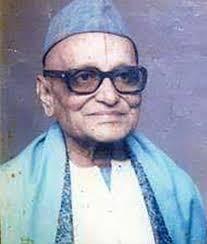
P. T. Narasimhachar writes in Chaduranga’s Festschrift Volume “Chaduranga - Vyakthi Abhivyakthi”, that Chaduranga and his wife were the most appropriate subjects for a poet’s imagination. Describing Doddammani, P. T. Narasimhachar says (transl.): “She stands tall, with her personality, her stance and her very poise – so full of life & vitality and yet conspicuously devoid of all those unfavourable human traits. As a family (including the son & daughter-in-law), one could not ask for a more wholesome and cultured assembly of affectionate, endearing souls.” Chaduranga treated his daughter-in-law more like his own daughter, and this affection was reciprocated by Vijayalakshmi Urs, who, in turn, addressed him as ‘Maavu’!
Doddammani was diagnosed with breast cancer and underwent surgery for the same in 1972. Sadly, she succumbed to the cancer and passed away on 18 January 1975 at the age of 56 years.
Some reminiscences of Chaduranga
Once, P. T. Narasimhachar had just finished his lunch and was resting in the afternoon. Chaduranga, who was passing by near Narasimhachar’s house, made his way in, unannounced. Narasimhachar was pleased to see his friend and requested him to sit down. Chaduranga narrated to Narasimhachar that for the last one hour, he and his friend were searching for a good restaurant in vain. As a result, neither had taken lunch that afternoon and were quite famished. Before Narasimhachar could welcome Chaduranga to have lunch at his house, Chaduranga himself said that he would like to have his lunch at Narasimhachar’s house and, with his kind permission, would like to bring his friend along as well! Narasimhachar did not hesitate for a moment and welcomed them both with open arms. He said, any friend of Chaduranga was a friend of his as well. When the friend came in, Narasimhachar was overjoyed to see a distant acquaintance of his (from his village years) walk into his house. He then exclaimed, “This is why our ancestors perceived guests in a divine light and never hesitated to afford a generous and warm welcome to all”! Such was Chaduranga and P. T. Narasimhachar’s relationship.
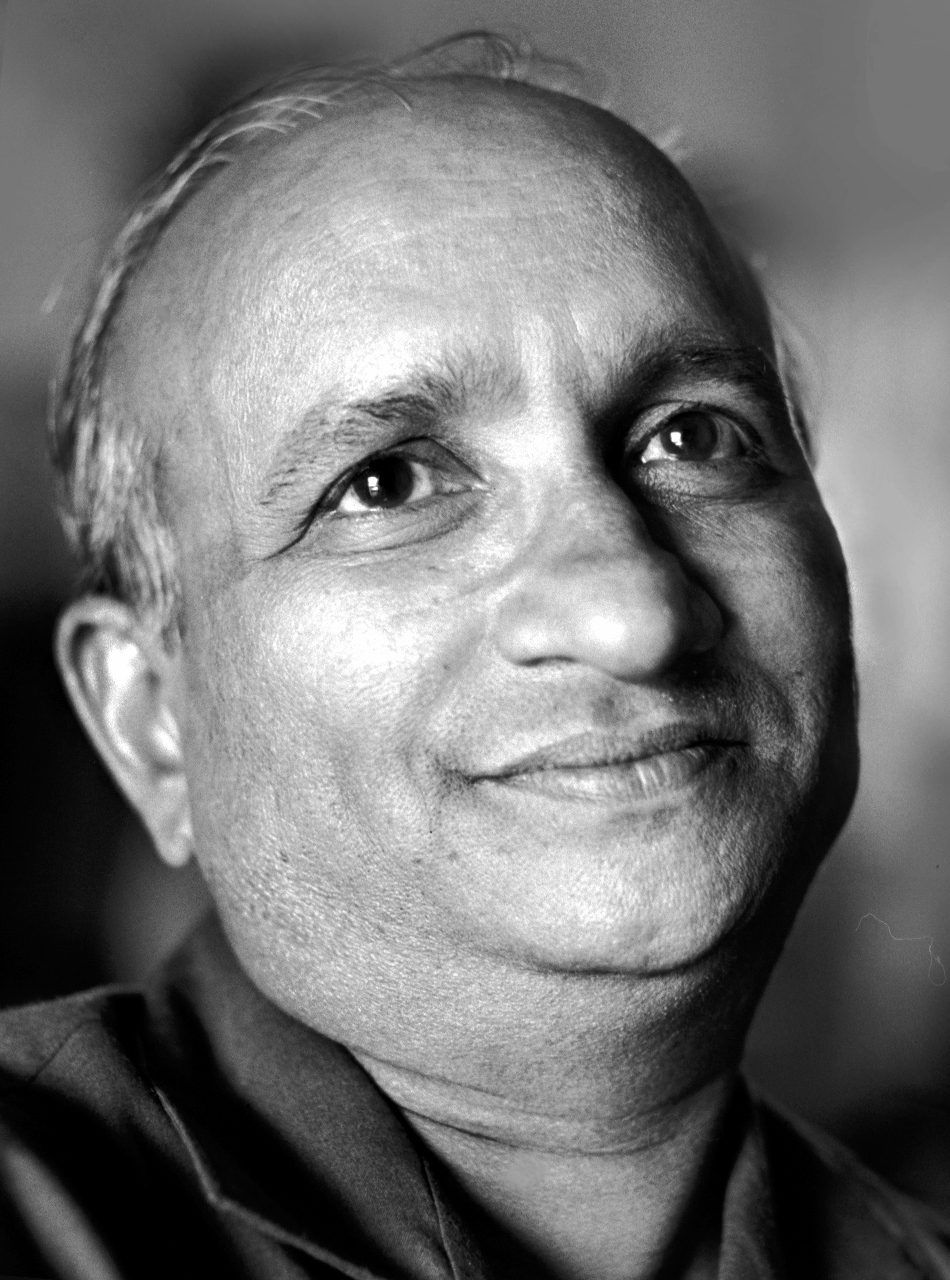
Gopalakrishna Adiga also had much praise for Chaduranga’s life and writing, and used to describe them as inspiring & virtuous. T. R. Subba Rao was such a fan of Chaduranga’s writing that he suggested to him to give up farming and dedicate himself to writing full-time! With regard to Chaduranga bringing out only four full-length novels in his lifetime, a well-known writer remarked that he made up for in quality what was apparently lacking in quantity.
Chaduranga had always thought of writing an autobiography, but never got around to doing it. His brutal honesty and unhindered candour would have probably offended many a soul, and this, more than anything, likely discouraged him from penning his thoughts down on paper. He was always willing to have a dialogue, even with total strangers. Never one to mind a disagreement, he remarked once that he was even prepared to listen to the apparent gibberish of an infant, as it was to his ears, verily divine music!
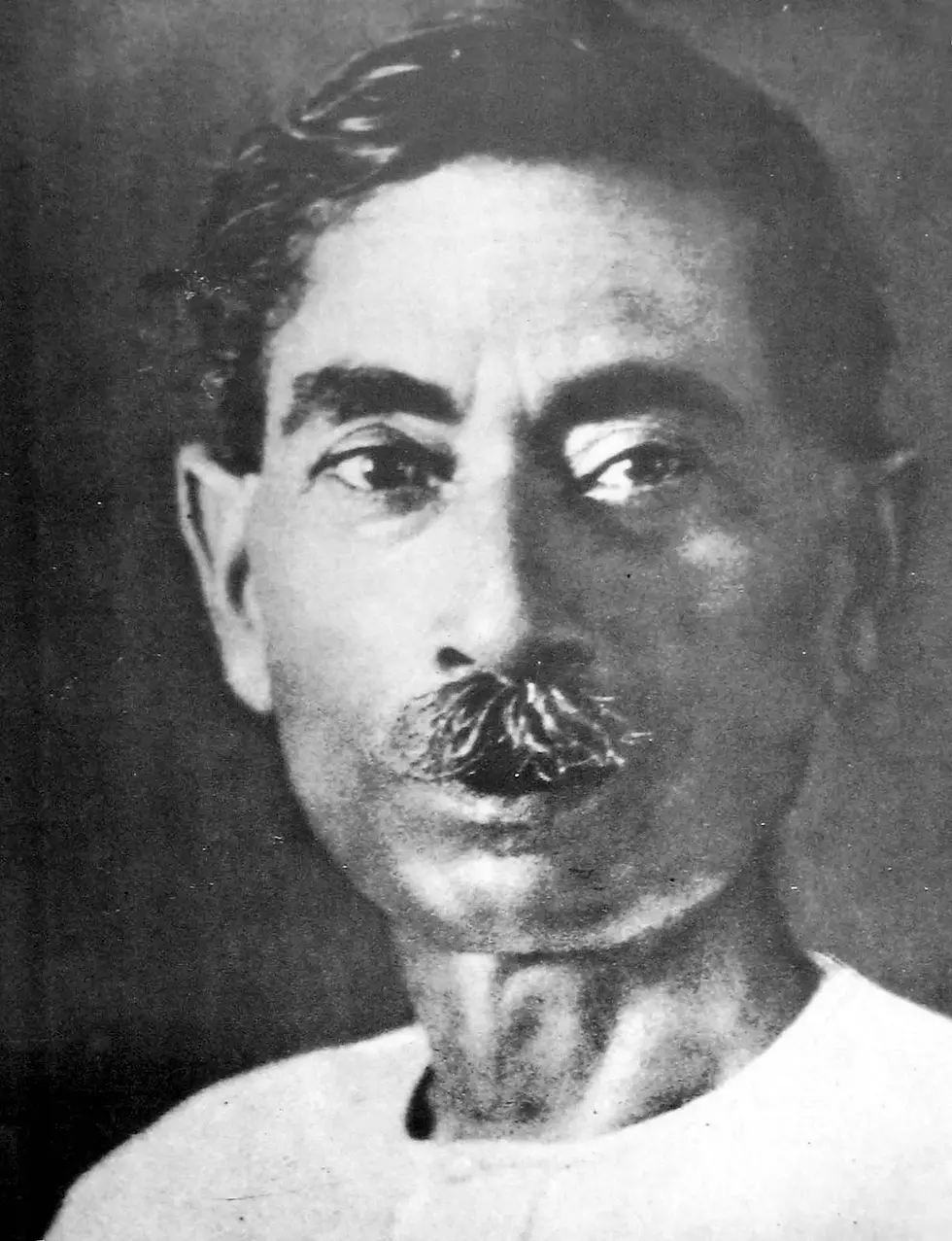
A Kerala communist leader, after reading many of Chaduranga’s works, decided to meet him in person. At the meeting, he presented Chaduranga with a portrait of Premchand, which he had painted. He told Chaduranga that in his eyes, he was like Premchand himself and hence the gift was most befitting to be presented to him!
Chaduranga spent the last years of his life in his own house at Kuvempunagar, Mysore.
Recognition
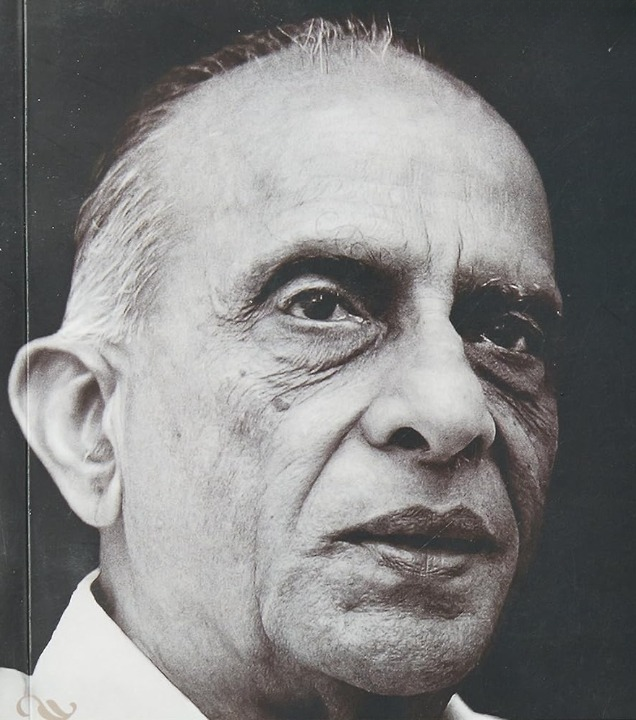
Chaduranga was invited by the Board of Trustees of Mahajana College, Mysore, to be a Life Member. He was also a member of the University of Mysore Senate from 1977 to 1978. During this period, he took exception to the Senate meetings being held under Police protection! Chaduranga received the ‘Karnataka Sahitya Academy Award’ in 1978. His novel ‘Vaishaka’ earned him the ‘Kendra Sahitya Academy Award’ in 1982. He was also awarded the ‘Karnataka Rajyotsava Award’ in 1981. His alma mater, the University of Mysore, conferred on him an Honorary Doctorate in 1993. He was awarded the Karnataka Sahitya Academy Award twice, in 1978 and subsequently in 1994. The 1994 award was for his collection of short stories titled “Mrugaya”. Chaduranga presided over the North American Kannada Conference in 1991, in New Jersey. He also presided over the 63rd ‘All India Kannada Sahitya Sammelan’ at Mandya in 1994. The then Chief Minister, Veerappa Moily, came up with the idea of offering Cabinet-rank privileges to all who would preside over these literary conferences from then on. Chaduranga at once

rejected the idea and nipped it in the bud. For his various cinematic expositions, Chaduranga received several accolades from the Government of Karnataka – ‘Best Director Award’, ‘Best Producer Award’, ‘Best Rural Writer Award’ and ‘Best Script Writer Award’. In his 70th year, Chaduranga received a felicitation volume titled ‘Chaduranga – Vyakthi, Abhivyakthi’ from his friends and admirers.
Legacy
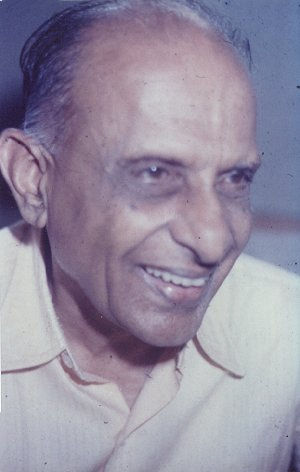
M. Subramanya Raj Urs passed away on 19th October 1998 at the age of 82 years. For his son’s upcoming birthday, Chaduranga had written a cheque for one thousand rupees on the day of his death! He had, in fact, told his son earlier not to perform any religious rituals as part of his funeral rites.
Very early in his writing career, Chaduranga, his wife, and their son visited Sathya Sai Ashram. Here, there was a chance meeting with the revered saint himself. Baba spent nearly twenty minutes with them! At the end of the meeting, Baba held his hands and told him that he would blossom forth into a fine writer and would be loved by readers near and far, for decades to come. His prediction could not have been more prophetic!
Chaduranga is remembered for his humble, down-to-earth behaviour, his sense of integrity and love of humanity, and, above all, his brutal honesty at all times – qualities that find expression in many of his unforgettable stories and novels, which endure in the hearts and minds of his readers even to this day.
REFERENCES:
‘Chaduranga (Life and Work)’ (Kannada)
‘Chaduranga’ by G. R. Thippeswamy, Sahitya Akademi (2012)
‘Vyakthi - Abhivyakthi: Chaduranga’ by D. A. Shankar (1988)
‘Chaduranga’ – K. B. Prabhuprasad, Rashtrotthana Mudranalaya, Bangalore (2015)
‘Chaduranga’ by M. S. Veda, Navakarnataka Publications Pvt Ltd., Edited by H. M. Nayak and Pradhan Gurudutt. (2001)
'Smriti’ by Vikram Chaduranga, Samvahana, Mysore (2023)
‘Sarvamangala’ movie (via YouTube)
Inputs from Chaduranga’s son, Dr. Vikram Chaduranga


